foAudits handheld use in Utilities
Fundamental Objects, Inc. (FO) is a software development consulting firm working in the energy field. With our initial offering in 1998, we were the first company integrating pda (handheld) and web-based energy applications. foAudits is now in use for lighting, energy and water audits; for both residential as well as commercial applications. Our largest application has 1,964 users syncing on a daily basis. These applications use laptops, tablets, netbooks and handheld devices.
In the handheld space, we have worked with Symbian, Palm, Windows Mobile and the Google Android OS.
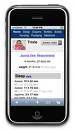
The Major Handheld Platforms
 |
 |
 |
 |
 |
 |
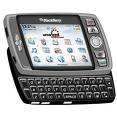
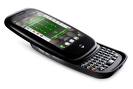
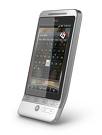
| Storm | Palm | Google Android | iPhone | Windows Mobile | Symbian |
Because of the highly competitive nature of utilities, one of the services that we offer is to closely guard the nature, content and implementation of each customer's audit system. However, at a high level, here are the platforms that we use (and why):
Device versus Operating System While there are many variables affecting what device to use, there are really two initial ways to break this down.
The choice of Hardware Device, such as Laptop, Netbook, Tablet,
PDA (disconnected devices) and Smartphones (PDAs integrated into phones). After that distinction, comes the choice of Operating System platform to pick; such as Windows Mobile or WebOS. Everything, from available feature set to cost, comes into play as decision point factors. But, focusing just on handhelds, here is what we look for:
- Largest screen area
- Touch screen
- Cost of connectivity
- WiFi capability
- Hardware keyboard
- Integration with the customer's systems
- Customer-specific requests
Auditors will likely be carrying flashlights, thermal sensors, chalk or tools; so the easier that the device is to operate with one hand, the better.
The large screen area is important, so that the most audit information as possible can be on any given screen without the user having to move between pages.
A touch screen, with optional stylus input is important, so that the user does not have to work the keys unnecessarily to input data -- this turns out to be an important request.
The cost of connectivity (the wireless plan) is important; especially when a large number of auditors are involved. The monthly wireless charges will soon accumulate to be much more than the costs of the devices themselves. WiFi connectivity helps so that the customer can sync data back and forth to the web/database without having to incur wireless charges.
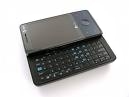
While the software keypads, like on the iPhone, have become better they still are not as easy to use as a hardware thumbpad keypad on a Palm Treo, or the pull-out keyboards, like on the AT&T Fuze. It does not take long for someone to use the hardware keyboard approach to appreciate the difference.
Customer-specific requests, like being able to read bar-codes; read RFID tags, or hook to temperature sensors often tip the balance one way or the other.
More on the Individual Devices
note: The basic growth in use of the platform is shown with an up arrow
(for growing); sideways for about the same; or a down arrow for dropping in requests.
|
 |
| Palm | |
Now promoting a new OS (WebOS on the Palm Pre) they are trying to make a comeback through aggressive marketing; but the tools are not there on the current platform.
|
foAudits use in utilities: About 50% of our customers currently use the Palm platforms, mostly because Palm also
supports hand scanners. These scanners are used for bar-coding
-- such as to relieve inventory, for items drawn for
measures/services that are used in energy audit repairs. Other reasons include cost and that the Palm ran on both the PalmOS
and Windows Mobile platforms.
|
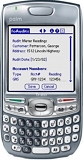 The Palm Treo supports both the PalmOS and Windows Mobile |
|
 |
| Windows Mobile | |
Windows Mobile, which has gone through many changes (including product names: Windows CE, Pocket PC, Windows Mobile) was the largest challenger to Palm in the PDA market until the last two years. Windows Mobile though is under some pressure, especially from the Android devices. Adding to this are companies like Palm (in 2009) and Motorola (in 2010) dropping Windows Mobile use on their respective hardware devices.
|
foAudits use in utilities: About ½ of our customers
currently use Windows Mobile platforms, often because of the
familiarity with the applications on the device. (such as Lite versions of Excel, Word
and Powerpoint run directly on the device.) Note
however, that these apps can now also be run on other
platforms, like PalmOS; and that clone versions are available on
the other platforms. Like Palm, Windows Mobile also supports bar-code
scanners, such as the Symbol in the inset.
|
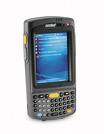 Symbol bar-code |
|
|
| Blackberry | |
Blackberry (RIM)'s strength is in email and corporate applications. While popular, the implementation of development tools across the various Blackberry devices is very inconsistent, and it is difficult to program on. This leads to smaller, less significant applications in use on Blackberries. Until recently, RIM hand no touchscreen devices; and the screens are smaller than most other platforms.
|
foAudits use in utilities: Many of our utility customers
use Blackberries for email. Often this selection was made
before considering handhelds for auditing or internal survey
use. NONE of our customers have selected Blackberries for use
in auditing. They always end up selecting another platform; and
either move the phone/email capabilities onto the new device;
or end up carrying both. Which of course, is not an optimal
solution.
|
|
|
| iPhone | |
Much in the same position as the Blackberry, the iPhone is extremely popular. While there are thousands of applications for the iPhone, most of them are games or curiosity applications. The high cost of the overall iPhone solution (including the highest wireless data plan costs), plus the limitations on how applications can be developed slow the iPhone's business penetration. The software keyboard, while interesting to use, is not foolproof. As of Sept 2009, we have not had a utility customer request an iPhone implementation.
|
foAudits use in utilities: None of our utility customers
have requested applications for the iPhone.
|
|
 |
| Google Android | |
The latest Android devices, stand as a look and feel competitor to the iPhone, without the overall high cost and difficulty of development. Based on an open-source Linux operating system (like the PalmPre) -- the per unit licensing issues of Windows Mobile are removed as well. Initially hampered by Microsoft efforts to quell adoption of Android, many hardware vendors, such as HTC are now adding significant Android support.
|
foAudits use in utilities: We are actively working on a
Google Android version of foAudits in direct response to
customer requests (as well as market trends).
|
|
|
| Symbian | |
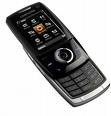
The greatest number of smartphones in the world run the Symbian OS. That is its key drawing point. Coming in at more of a phone-first perspective, with generally small screens and phone keypad-only data entry, as well as a lack of integration points with backend systems, holds Symbian back.
|
foAudits use in utilities: We have a few Symbian
applications - such as the foAudits variant to the right.
Symbian is not highly requested as a target platform.
|
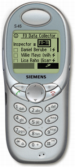 foAudits on Symbian |
For Additional Information